Roof Maintenance in Houston: What to Do and When
Roof Maintenance in Houston: What to Do and When
A maintained roof in Houston lasts significantly longer than a neglected one. The difference between a shingle system that reaches 22 years and one that needs replacement at 14 years is often not product quality — it’s whether small problems were addressed before they became large ones.
Here’s the maintenance calendar and what each task actually does for your roof.
Annual Inspection — Every Fall Before Storm Season Ends
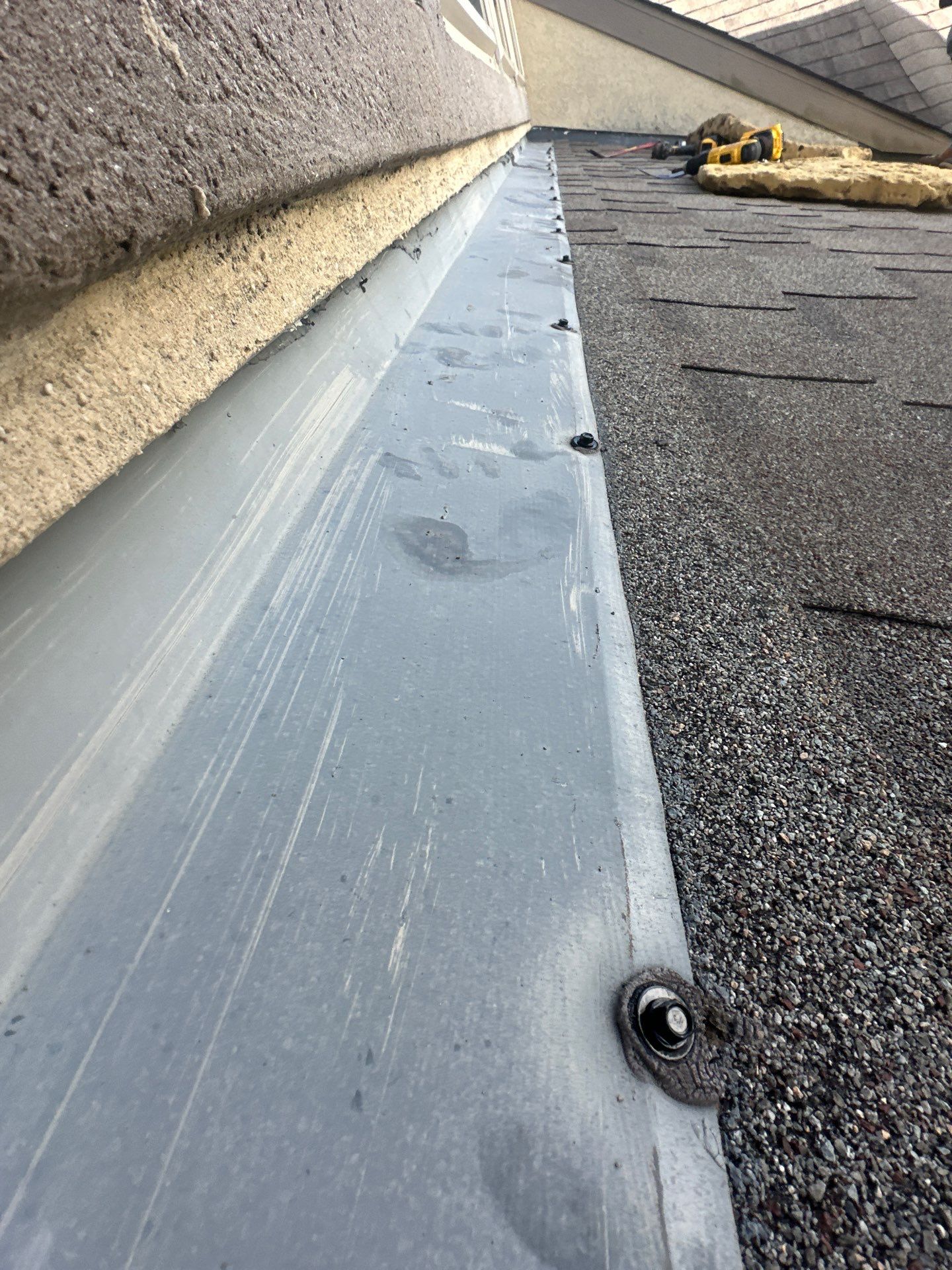
Get on the roof or have a contractor document the condition annually. You’re looking for: nail pops (nails backing out through the shingle surface, which create water entry points), flashing condition around every penetration and transition, granule accumulation in gutters, and any soft spots in the decking accessible from the attic. Catching a nail pop costs $50 to address. Letting it create a moisture pathway for three years before it shows on your ceiling costs significantly more.
Gutter Cleaning — Twice a Year
Spring (after oak pollen and seed drop) and fall (after leaf drop). Clogged gutters back up water against the fascia, accelerate debris accumulation at the eaves, and contribute to the conditions that allow moss and algae growth on the lower courses of shingles. In Houston, gutters fill faster than most homeowners expect — the live oaks and pine trees in neighborhoods like Spring, The Woodlands, and Kingwood shed continuously.
Pipe Boot Replacement — Every 10 to 15 Years
Neoprene pipe boots — the rubber collars around plumbing vent pipes — are the most common source of active roof leaks in Houston. They crack and deteriorate from UV exposure and thermal cycling, and most were never installed with any sealant. A standard boot replacement is a $150 to $300 repair. A pipe boot that’s been leaking for two years into the decking and framing is a different conversation. RCC replaces all pipe boots during a roof replacement and flags deteriorated boots during inspection.
Attic Ventilation Check
Walk your attic every year and look for: daylight through the decking (active leak), condensation on rafters in winter (ventilation failure), insulation covering soffit baffles (kills airflow), and ridge vent obstructions. Attic temperatures above 150 degrees in summer — common in Houston homes with inadequate ventilation — dramatically accelerate shingle degradation from the underside. This is the maintenance item most homeowners never check and the one that most affects roof lifespan.
RCC’s inspection includes attic ventilation assessment. Schedule here.