What a Real Roof Inspection Looks Like in Houston
What a Proper Roof Inspection Includes — Roof Concepts Construction
The roofing industry in Houston has a problem with inspections. For most contractors, a “free inspection” is a 10-minute walkover designed to justify a replacement sale. You get a few phone photos, a verbal description of “significant damage,” and a proposal. You have no way to verify what was found, what it means, or whether the recommendation is proportionate to the actual condition.
That’s not an inspection. That’s a sales visit.
What a Documented Inspection Actually Covers
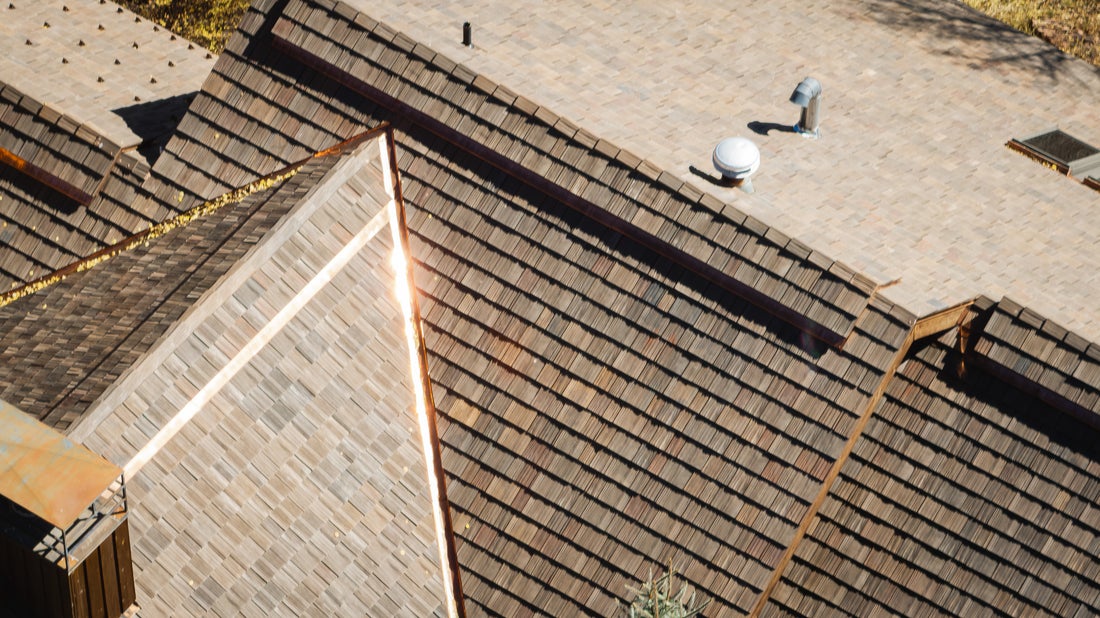
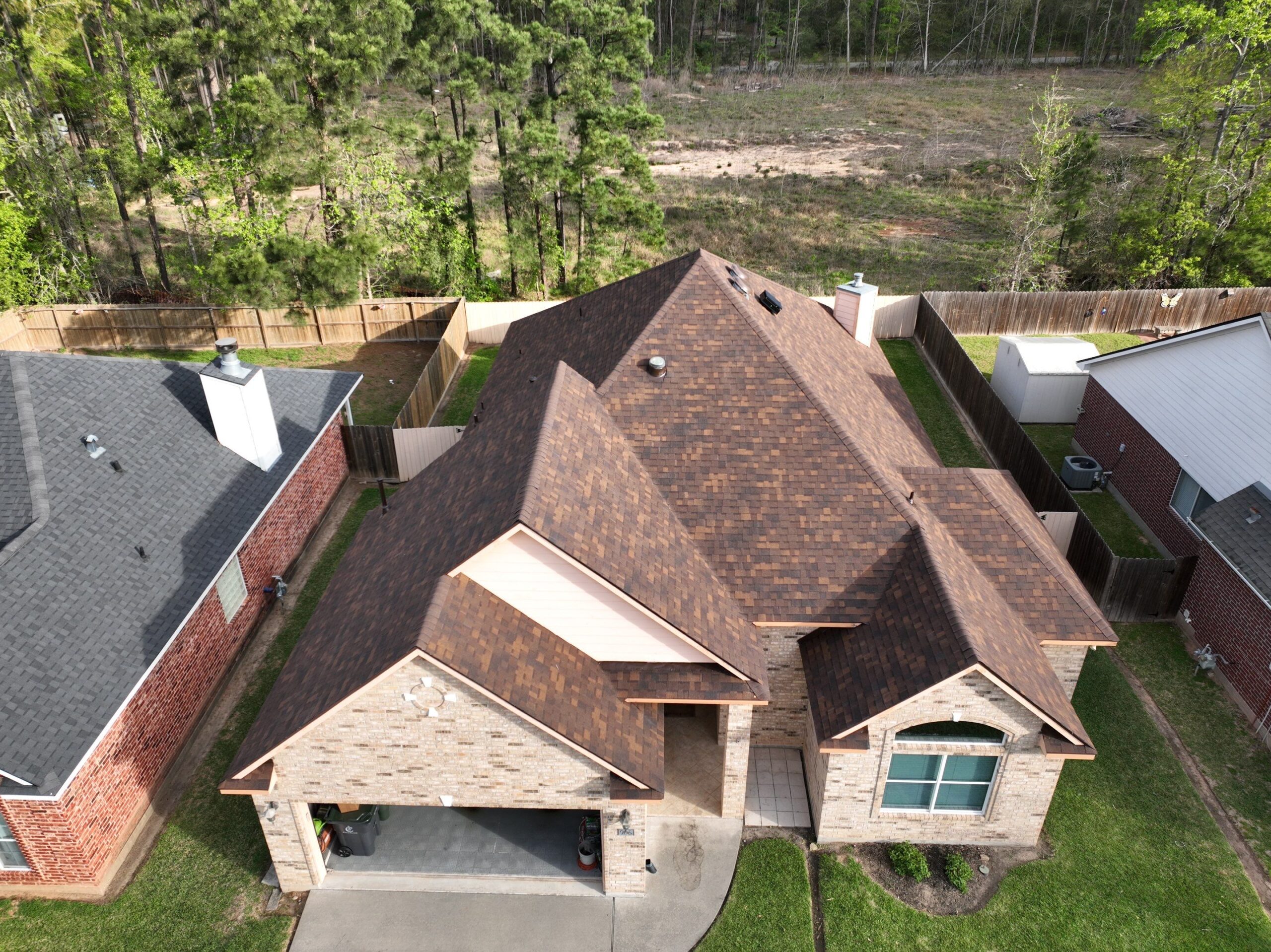
A legitimate roof inspection documents every slope individually — not just the slopes with visible damage. It records condition by zone: field, ridge, hips, valleys, penetrations (pipe boots, vents, skylights), transitions (kickout flashing, step flashing, head flashing), and perimeter (drip edge, fascia condition, gutter attachment). Each area has different failure modes and different repair implications.
For homes with potential storm damage, RCC builds a Forensic Damage Assessment — a 14-section report using the 4-D standard: Distinct, Demonstrable, Detrimental, and Direct cause. We include NOAA and EWI weather data corroborating the storm event, full-resolution photo exhibits organized by damage category, and a scope tied to documented findings. That report is yours to keep, use for your insurance claim, or compare against any other contractor’s assessment.
What We Look at That Most Contractors Miss
Attic ventilation condition — because a poorly ventilated attic accelerates shingle failure and is often the real cause of premature replacement. Drip edge sizing — we use 2×4 drip edge, the only profile that covers the full 2 inches of decking required by code. Gutter attachment method — gutters fastened through the drip edge create a direct water pathway onto the fascia. Flashing type — EPDM rubber-gasketed flashings secured with screws hold through thermal cycling; nail-fastened flashings back out over time.
RCC’s Basic Inspection Is Free
A basic roof inspection at no cost. If we find storm damage that warrants a forensic report, we discuss that with you and build the documentation. You’re never charged for an inspection that doesn’t lead to work you’ve agreed to. Schedule here.