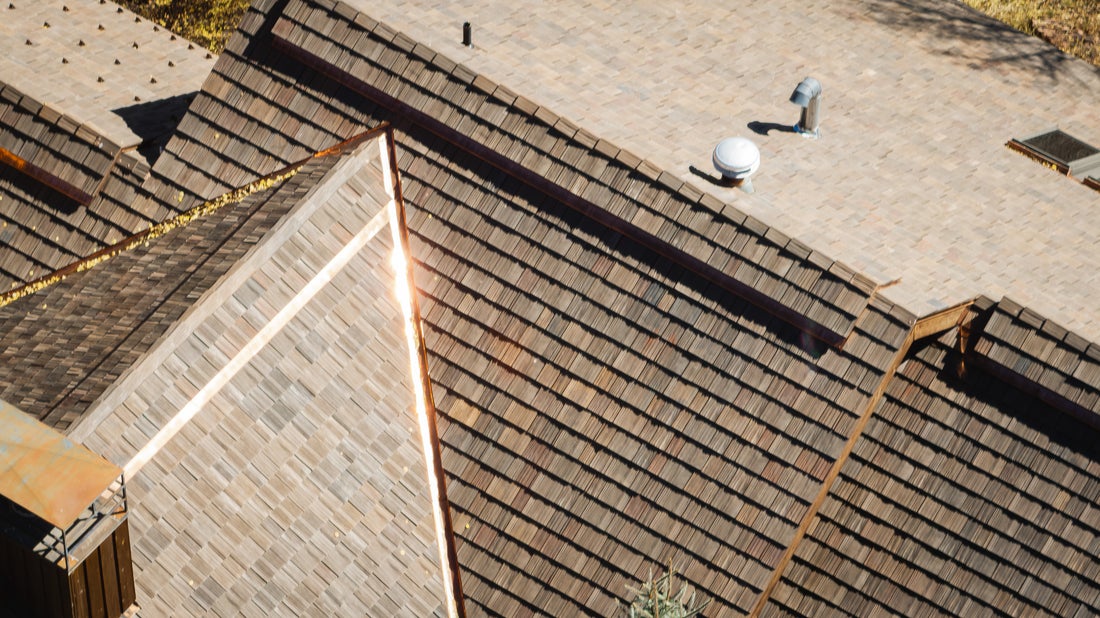

Roof Leak Repairs in Houston: Why Speed Matters and What to Expect
Roof Leak Repairs in Houston: Why Speed Matters and What to Expect
A roof leak that’s ignored for even one rain cycle causes compounding damage. Water that enters through a compromised shingle, failed flashing, or cracked pipe boot doesn’t stay at the entry point — it wicks along rafters, saturates insulation, and pools in low spots. By the second or third rain event without repair, you’re looking at decking damage, potential mold conditions, and costs that dwarf the original repair.
The Most Common Leak Sources in Houston
Pipe boots. The neoprene rubber collar around plumbing vent pipes is the single most common source of active roof leaks in Houston. These degrade from UV exposure and thermal cycling, typically failing between 10 and 15 years after installation. A pipe boot replacement is a $150 to $300 repair — one of the highest-value preventive maintenance items on your roof.
Flashing failures. Step flashing along wall-to-roof transitions, kickout flashing at eave terminations, and head flashing above windows all see movement from thermal cycling. Nail-fastened flashings back out over time. Counter-flashing that wasn’t properly embedded in mortar lifts with temperature changes. These are repair items that need attention before they become significant water intrusion events.
Valley failures. Open metal valleys and woven shingle valleys both develop issues over time — corrosion in the valley metal, shingle tab lifting at valley edges, and debris accumulation that holds moisture against the valley material. A valley repair done early is straightforward; one that’s allowed to saturate the decking beneath it is more involved.
Ridge and hip cap displacement. Wind events in Houston regularly displace ridge cap shingles. These are visible from the ground on most homes and need to be reset before the next rain event.
Emergency vs. Scheduled Repair
Active water entry into your living space or attic is an emergency repair — we tarp and stabilize same-day when conditions allow, then complete the permanent repair as soon as weather permits. Non-active damage that’s documented and not currently leaking can be scheduled — but don’t let “scheduled” mean months from now in Houston’s climate. Schedule your inspection here.