Winter Roof Repairs in Houston: What Actually Matters
What Houston Homeowners Need to Know About Winter Roof Repairs
Houston winters are mild compared to the northern states — but they’re not gentle on roofs. Cold snaps, heavy rain, ice events, and high winds between November and February create specific conditions that expose weaknesses in roofing systems that were invisible during summer.
Here’s what you actually need to know — not generic advice, but what RCC sees on Houston-area roofs every winter.
The Houston-Specific Winter Roof Problems We Actually See
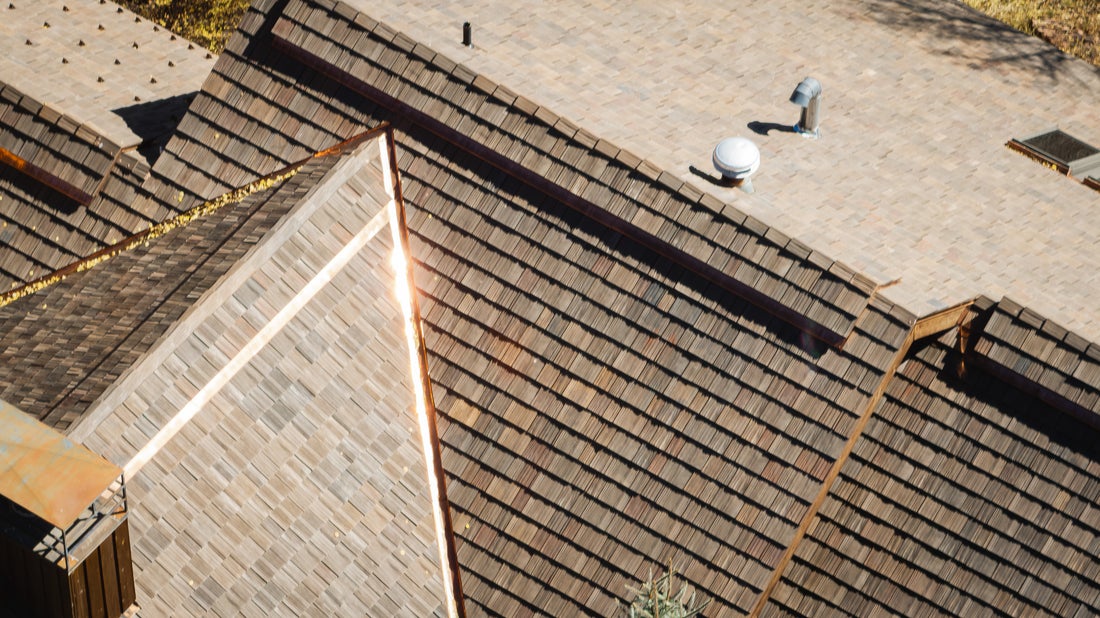
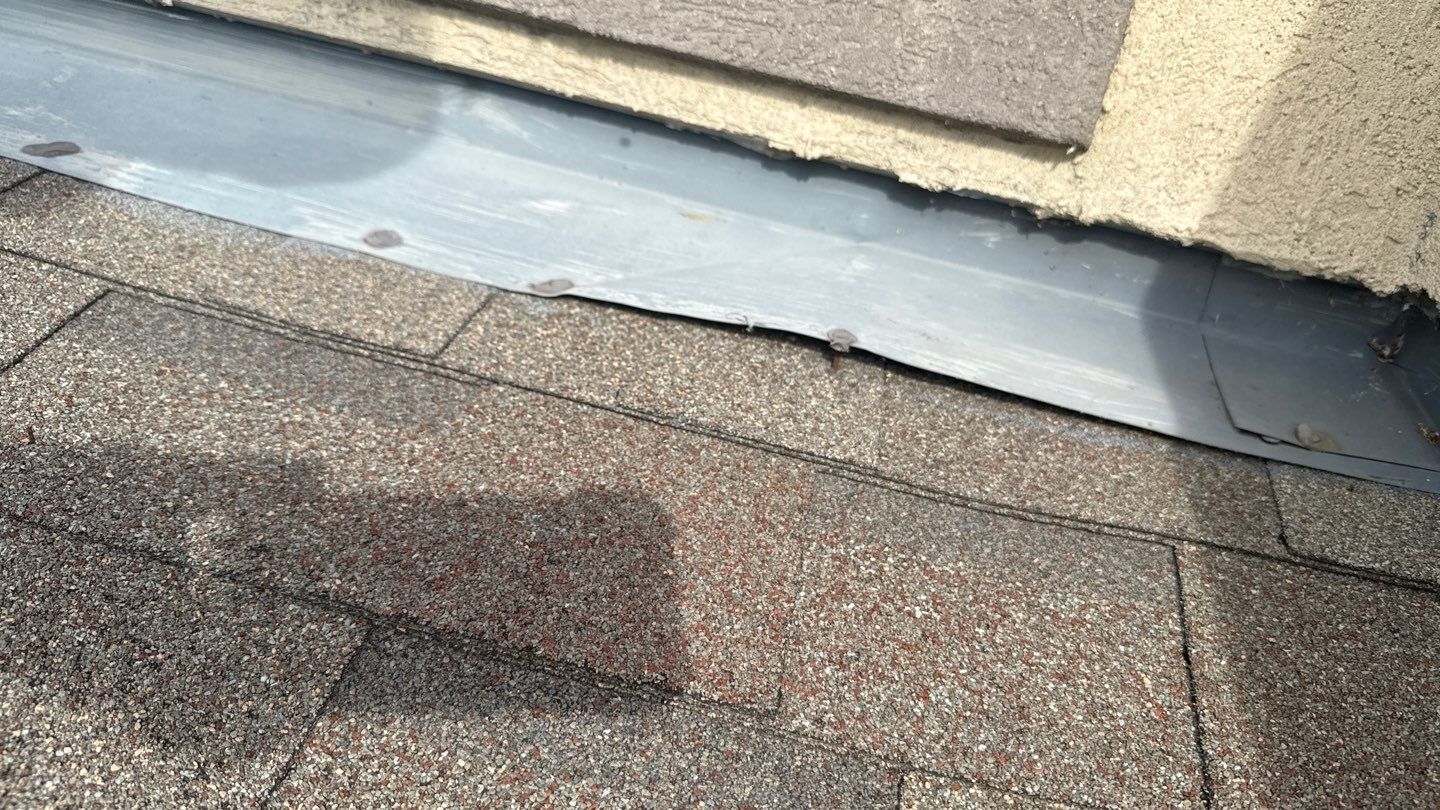
Flashing failures from temperature cycling. Houston goes from 70 degrees to 28 degrees and back in the same week. That thermal movement works nails loose, separates caulk, and opens gaps around chimneys, vents, and skylights. We see more flashing-related leaks in January and February than any other time of year. Standard nail-fastened flashings move with the temperature. RCC uses EPDM rubber-gasketed flashings secured with screws and washers — which is why they don’t work loose.
Fascia rot from water infiltration behind gutters. Most gutters in Houston are fastened through the drip edge. That creates a channel behind the drip edge where water travels directly onto the fascia board. By the time homeowners see rot, it’s been happening for years — and winter rain accelerates it. RCC detaches and resets gutters on every job, installs proper apron flashing, and uses 2×4 drip edge sized to cover the full 2 inches of decking. It’s one of the most overlooked details in this market.
Shingle granule loss from storm season residue. The hail and wind events from spring through fall leave cumulative damage that often doesn’t present as obvious leaks until a sustained winter rain event. If your roof took any impact this past storm season, a pre-winter inspection is not optional.
When to Repair vs. When to Wait
This is where most homeowners get conflicting advice. Here’s the straight answer:
Repair immediately if: You have an active leak. Water in your attic, on your ceiling, or around window frames during rain events means water is already inside your structure. Every rain event that goes unaddressed extends the moisture damage to decking, insulation, and framing.
You can schedule if: The damage is documented but not actively leaking — missing shingles on a slope that hasn’t been wet, granule loss without penetration, loose flashing that hasn’t opened. In those cases, get it inspected, documented, and scheduled before spring storm season starts.
Do not delay if: You had storm damage this year that generated an insurance claim or is eligible for one. Texas insurance policies have claim filing windows. Waiting through winter to address documented storm damage can affect your claim eligibility.
What RCC Does Differently in Cold Weather Installs
Cold temperatures affect material performance. Asphalt shingles become less pliable below 40 degrees, and improper installation in cold conditions leads to cracking and seal failure. RCC hand-nails every roof — no pneumatic guns — which means proper nail placement is controlled regardless of weather. We also use manufacturer-approved cold-weather installation procedures and won’t install in conditions that would compromise the integrity of the system.
If we can’t do it right in the current conditions, we’ll tell you that before we start — not after.
The RCC Pre-Winter Roof Inspection
Our inspection process isn’t a 10-minute walk-around with a photo on a phone. We document every slope, every penetration, every transition point. For homes with potential storm damage, we build an RCC Forensic Damage Assessment — a full 14-section report that documents damage using the 4-D standard (Distinct, Demonstrable, Detrimental, Direct cause), with weather data corroboration from NOAA and EWI records.
That report is yours. If you have an insurance claim to file, you upload it to your carrier’s portal. You own the process.
If you’re in Conroe, Spring, The Woodlands, Kingwood, New Caney, or anywhere in the Greater Houston area, get the inspection done before the next storm system rolls through. Schedule your free roof inspection here.