What to Look for When Inspecting Your Roof for Damage
What Should I Look for When Inspecting My Roof for Damage?
Most homeowners inspect their roof twice — once after a storm, and once when something is already leaking. Neither is ideal. Here’s what to look for and when, so you’re not reacting to a problem that’s been developing for months.
Inspect Roof Damage from the Ground | Roof Concepts Construction
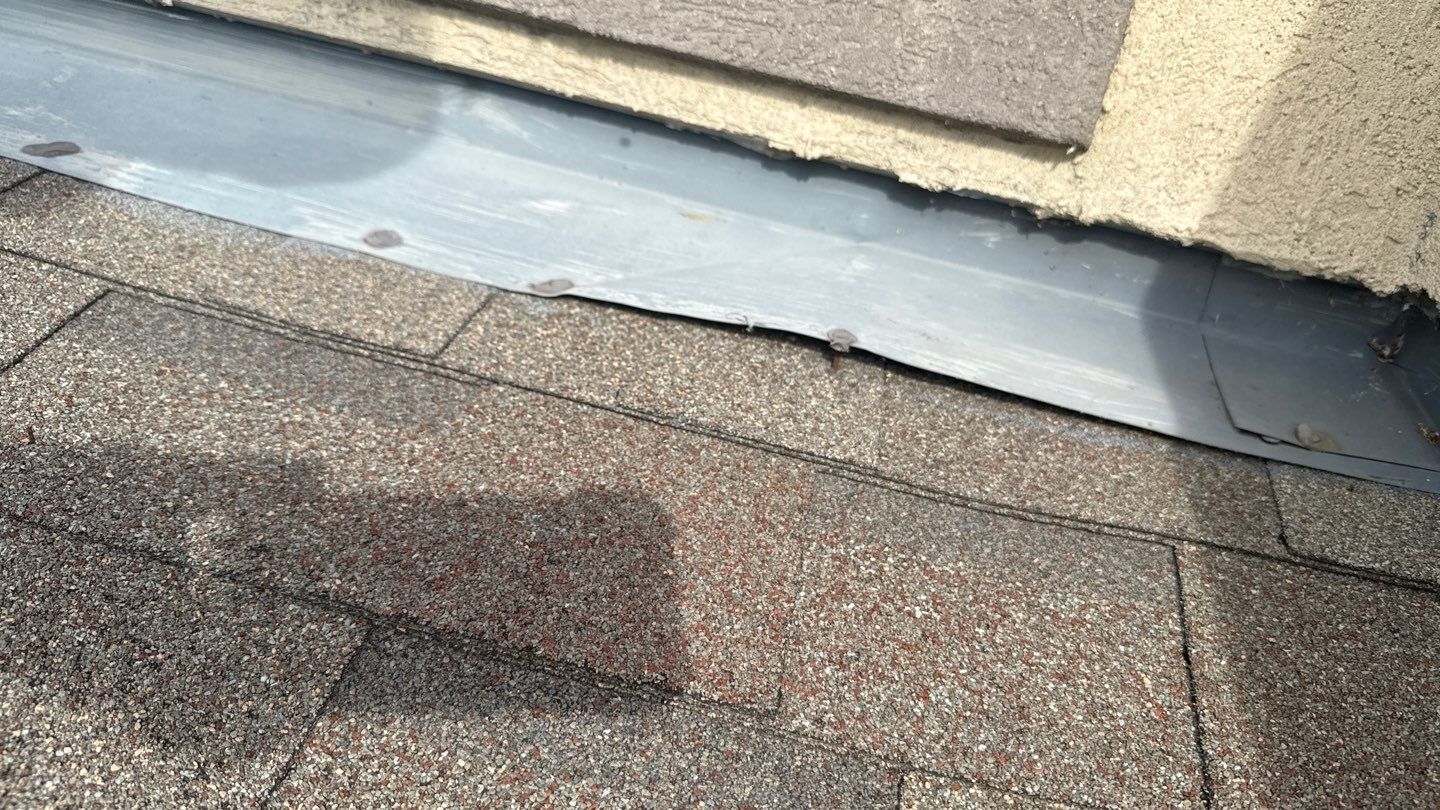
You don’t need to get on the roof to identify most early warning signs. Walk the perimeter and look for: granules accumulated at downspout outlets (sign of accelerated shingle wear), visible daylight through any fascia boards or soffit sections, gutters pulling away from the roofline, missing or displaced flashing at chimney or pipe vent locations, and any shingles with visible lifting, curling, or missing tabs.
After a hail event specifically: check window screens, AC condenser fins, painted wood surfaces, and gutters for dents and impact marks. These soft-metal impacts are corroborating evidence for an insurance claim — they establish that hail occurred and roughly the size and intensity of the event.
From the Attic
Get in the attic with a flashlight after any significant rain event. You’re looking for: active daylight penetrating the decking, water staining on rafters or OSB decking, insulation that’s wet or compressed at the eaves, and condensation on the underside of the roof deck in cold weather (a ventilation failure signal, not necessarily a leak).
Early attic water staining that isn’t actively dripping is easy to miss and easy to ignore. Don’t — a stain that’s been wet repeatedly and dried has already started compromising the decking around the penetration point.
What You Can’t See
Hail impact damage to asphalt shingles often isn’t visible from the ground. The bruising occurs at the granule level — the impact fractures the bond between granules and the mat, releasing them over subsequent rain events. A roof that looks intact from the street may have sustained functional damage that reduces its remaining life significantly. This is why post-storm inspections from a contractor who gets on the roof and documents slope by slope are worth doing, not just from a claim standpoint but from a planning standpoint.
RCC’s inspection documents every slope with full-resolution photos. You keep the report regardless of what happens next. Schedule here.